Oil Paintng Classes in Pennsylvania at AC Moore.

My spring and summer theme…Good times ahead

Stacks Image 133

Phil's Art Class Video

Watch this three minute Youtube video on Phil's oil painting classes. This video explains what to expect when you take a class. A look into a few subjects and class photos narrated by Phil.

Stacks Image 86
Stacks Image 34
Our class painting method is Alla Prima.

Several times I'm asked in the begining of out class, Why are we wetting down our canvases with linseed oil. First, the technique is know as Alla Prima, or wet-into-wet or wet-on-wet, an Italian term which means “at first”. Using this technique, you complete entire paintings in one session or two without waiting for the paint layers to dry completely. A must technique for Plein air painter, dailypainters and especially good for my classes where we start and finish a painting by end of the day. So why do we use this technique?

We do it for several reasons. Lubrication is one of them. Just as an engine runs better with a bit of oil on its parts, so does a painting. Indeed, oil painting works its wonders because the oil medium is slippery and slow to dry and thus brush storkes can be more easily blended, gradated, softened, even removed with a towel for great effects (taking back). Another reason to paint wet-into-wet is the compounding of techniques. Even if you prefer fast drying acrylics, this doesn't mean you have to be victimized by their limitations. Popular slow-drying acrylics invite the use of lots of paint and permit all kinds of painterly outrageousness in realism and abstraction alike.

A rewarding technique is to really "grease up" (put on an overall layer of slow-drying medium as surface lubricant). The lubricant layer can be clear or variously tinted and put on with a rag, brush or any number of other tools. After this, your colours slip and slide and mingle with abandon. While requiring above average skill in handling, they can add painterly efficiency, happy accidents, sly gradations and arresting effects.

Perhaps the greatest reason to work wet-into-wet is to achieve a professional look. You might have noticed that the oils, acrylics and watercolours we really love to look at were at one time really wet ones. Further, many pros prefer a fresh look that belies the effort they've put into their work. By encouraging more fluid, cursive and longer flourishes, the professional's prowess is revealed.

After that, little dry strokes are not as much fun anymore, at least for me. I love the painterly look, I leave the details to the photographers. I never paint the fleas.
Stacks Image 388
My latest Daily Painting
"Woodworker's Clamp"
A Painting only a Carpenter could love.
daily painter blog
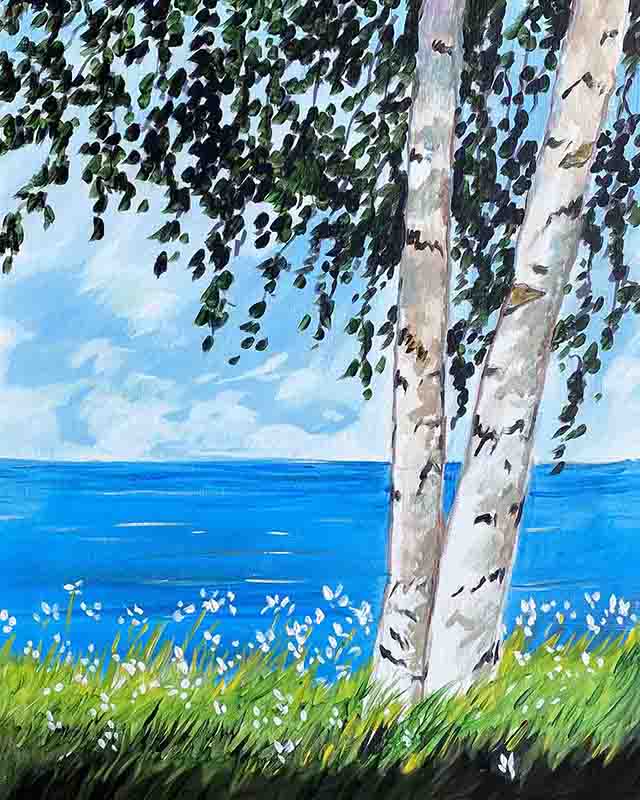
All of the paintings above are present and past class subjects. We will start and compete a painting in every class.
https://www.google.com/analytics/settings/?pli=1